ACL and LET Surgeon

If you’re a competitive or elite athlete and you are trying to decide on the right surgical plan, don’t leave your comeback to chance. A personalized evaluation can help determine whether advanced stabilization techniques, like LET, may help protect your knee and support peak performance. Schedule a consultation with Dr. Ronak Patel to build a surgical and recovery strategy tailored to your sport, your goals, and your timeline.
Prefer to call? 832-500-8135
Jimmy Butler’s ACL Surgery: What Athletes Should Know About Advanced Knee Stabilization
There are a lot of athletes in the news lately with torn, ruptured or injured ACL’s in their knee. When news broke that Jimmy Butler underwent ACL surgery, many athletes and active patients immediately started asking the same question:
What does ACL surgery mean for Jimmy Butler’s recovery and return to basketball?
As a knee surgeon treating patients across Sugar Land, Pearland and the Houston, Texas area, I often use high-profile injuries like this as teaching moments. They help us better understand not only ACL injuries themselves, but also the evolving surgical techniques designed to give athletes the strongest, safest return possible.
Is a torn ACL different for elite athletes?
The anterior cruciate ligament (ACL) is one of the key stabilizers of the knee. In sports that involve cutting, pivoting, or sudden deceleration, the ACL absorbs enormous rotational forces. When the ACL tears, the knee can feel unstable, especially during high-level athletic movements.
For elite competitors, the challenge isn’t just healing the ligament, it is about restoring the knee to a level that can withstand extreme stress again. That is why surgical strategy matters so much and why it’s important to get it right the first time.
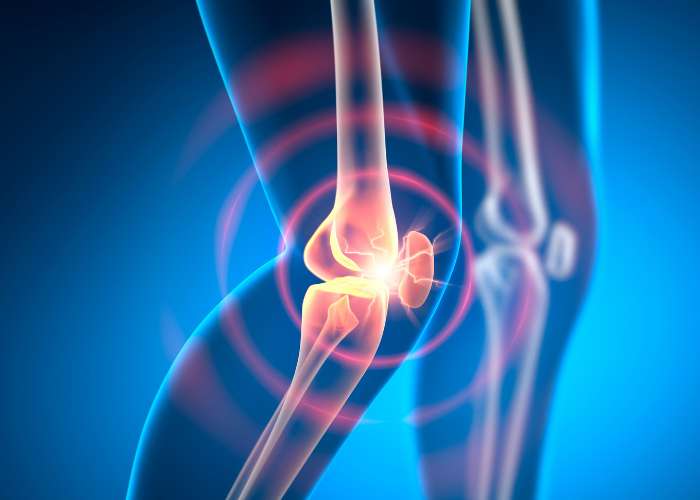
Why Modern ACL Surgery Is More Advanced Than Ever:
We’ve come a long way over just the last decade in understanding the ACL and how to repair or reconstruct it in the best way possible. Years ago, attempts were made to perform ACL repairs, but they were met with high failure rates; now, especially in elite athletes, ACL reconstruction with a graft is the gold standard, though there are still issues with re-ruptures as well as continued rotational instability of the knee. This is especially important for athletes who rely on explosive agility and rapid direction changes.
One technique gaining attention in high-performance sports medicine is lateral extra-articular tenodesis (LET). In select patients, adding this procedure to standard ACL reconstruction can provide an extra layer of stability. The data continues to mount showing it is a crucial and safe augmentation to ACL reconstruction.
What is lateral extra-articular tenodesis (LET)?
Lateral extra-articular tenodesis (LET) is a specialized procedure performed for patients in conjunction with ACL surgery. The anterolateral complex is a term used to describe the ligaments, tissues, and bones that make up the front and outside of the knee. Some of these ligaments include the lateral collateral ligament (LCL), anterolateral ligament (ALL), iliotibial band, and capsule. Injury to multiple ligaments in this complex or repeated injury to the complex can result in instability and laxity, or excessive flexibility.
The LET operation is typically, an open surgery. During this procedure, the iliotibial band (ITB) is found and a 1cm wide strip is dissected, with one end remaining attached to the tibia. The ITB strip is passed under the LCL and secured in place on the femur near the original site of the LCL called the lateral femoral epicondyle. The goal of LET or lateral extra-articular tenodesis is to reduce rotational forces on the knee and thereby preventing further ACL injury. It basically reinforces the reconstruction of the ACL with an added layer of stability. Think of it like a “seat-belt” on the ACL. The best part is the rehabilitation is no different than a standard ACL reconstruction.
The long-term advantages of adding LET with an ACL reconstruction:
LET is designed to reinforce the outer (lateral) side of the knee, helping control rotational forces that can stress an ACL graft. For certain athletes, particularly those returning to cutting or pivoting sports, the benefits can be significant.
Advantages of combining LET with ACL reconstruction include:
- Significantly lower risk of ACL graft re-tear (proven in multiple studies)
- Improved rotational stability
- Greater confidence during return to sport
- Better protection during high-intensity movements
For elite athletes like Jimmy Butler, reducing the risk of graft rupture is critical. A second ACL tear can be career-altering and in some cases, career-ending. This is why, as a surgeon, I would consider an additional stabilization procedure.
Is the LET approach right for everyone?
Not necessarily. One thing I always emphasize to my patients is that surgical decisions must be individualized. Factors such as age, sport, anatomy, ligament laxity, prior ACL injury, hyperextension of the knee, and injury history all influence whether LET should be added. What’s appropriate for a professional athlete isn’t automatically the right choice for a recreational athlete. Further, what is appropriate for one elite athlete may not be the best choice for another athlete, even in the same sport.
The key is matching the surgical plan to the patient’s goals, health, and physical demands.
What can we learn from Jimmy Butler’s ACL injury?
While every athlete’s situation is unique, Butler’s surgery teaches us something very important: modern ACL treatment is no longer one-size-fits-all. Today, we can tailor procedures to better protect the knee long-term, especially for elite athletes aiming to return to peak performance.
High-level competitors and everyday athletes alike benefit from advances that improve stability, reduce reinjury risk, and support a confident return to activity. It’s important to give them the best chance of returning to sport, without hazarding a new injury.
My Thoughts as a Knee Surgeon:
In my practice, I focus on combining proven surgical techniques with individualized planning. Procedures like LET aren’t necessary for everyone, but for the right patient, they can be a game-changer. The ultimate goal is simple: restore stability, protect the joint, and help each patient safely return to the activities they love.
ACL surgery today is about optimizing the surgery and delivering a predictable outcome that helps the athlete return stronger.